

A malfunctioning refrigerator can quickly disrupt your household, turning fresh produce into waste and adding unnecessary stress to your day. When your fridge isn't cooling properly, identifying the problem swiftly is key to preserving your food and avoiding extensive damage to the appliance itself. At Elite Appliance Repair, we frequently encounter common issues that hinder a refrigerator's performance, and often, some of these can be addressed with simple troubleshooting steps before professional intervention is required.
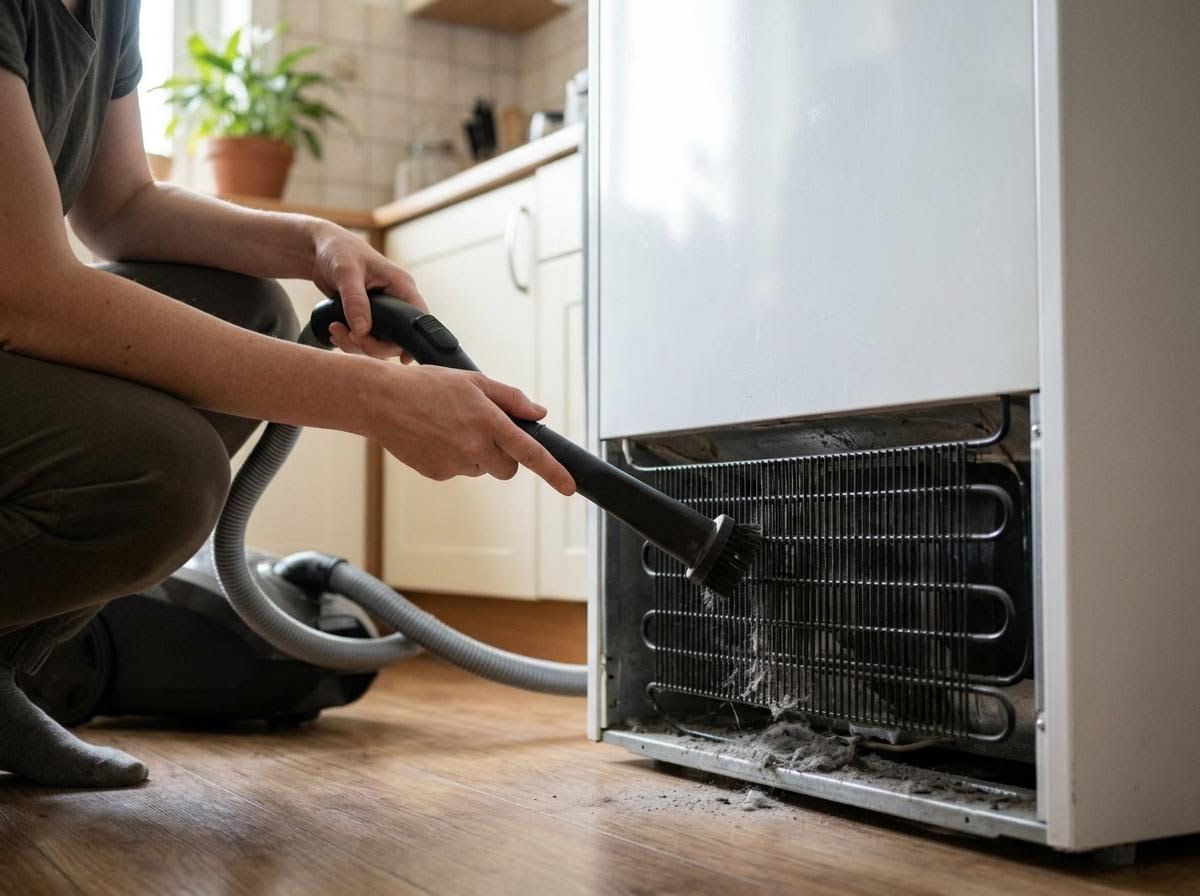
Dirty Condenser Coils
One of the most frequent culprits behind a refrigerator that isn't cooling efficiently is dirty condenser coils. These coils, typically located on the back or underneath your fridge, are responsible for releasing heat from the refrigerant. Over time, they can accumulate a thick layer of dust, pet hair, and debris. When clogged, the coils cannot dissipate heat effectively, causing the compressor to work harder, consume more energy, and ultimately fail to cool the internal compartment adequately.
How to Fix: Unplug your refrigerator from the power outlet. Locate the condenser coils (they might be behind a kick-plate grille at the bottom front or on the back). Use a vacuum cleaner with a brush attachment or a coil cleaning brush to gently remove all accumulated dust and debris. Performing this maintenance every 6-12 months can significantly improve your fridge's efficiency and lifespan.
Faulty Fan Motors
Refrigerators have at least two crucial fan motors: the condenser fan motor and the evaporator fan motor. The condenser fan cools the compressor and condenser coils, while the evaporator fan circulates cold air throughout the fresh food and freezer compartments. If either of these fans malfunctions, your refrigerator will struggle to maintain its temperature. A failing fan might make strange noises, or you might notice that the compressor is unusually hot to the touch.
How to Fix: First, unplug the appliance. Check if anything is obstructing the fan blades in either the freezer (for the evaporator fan) or near the condenser coils at the back/bottom (for the condenser fan). Sometimes, ice buildup can block the evaporator fan. If the fan blades are clear and the motor isn't running, or if it's making excessive noise, it likely needs to be replaced. This often requires professional expertise.
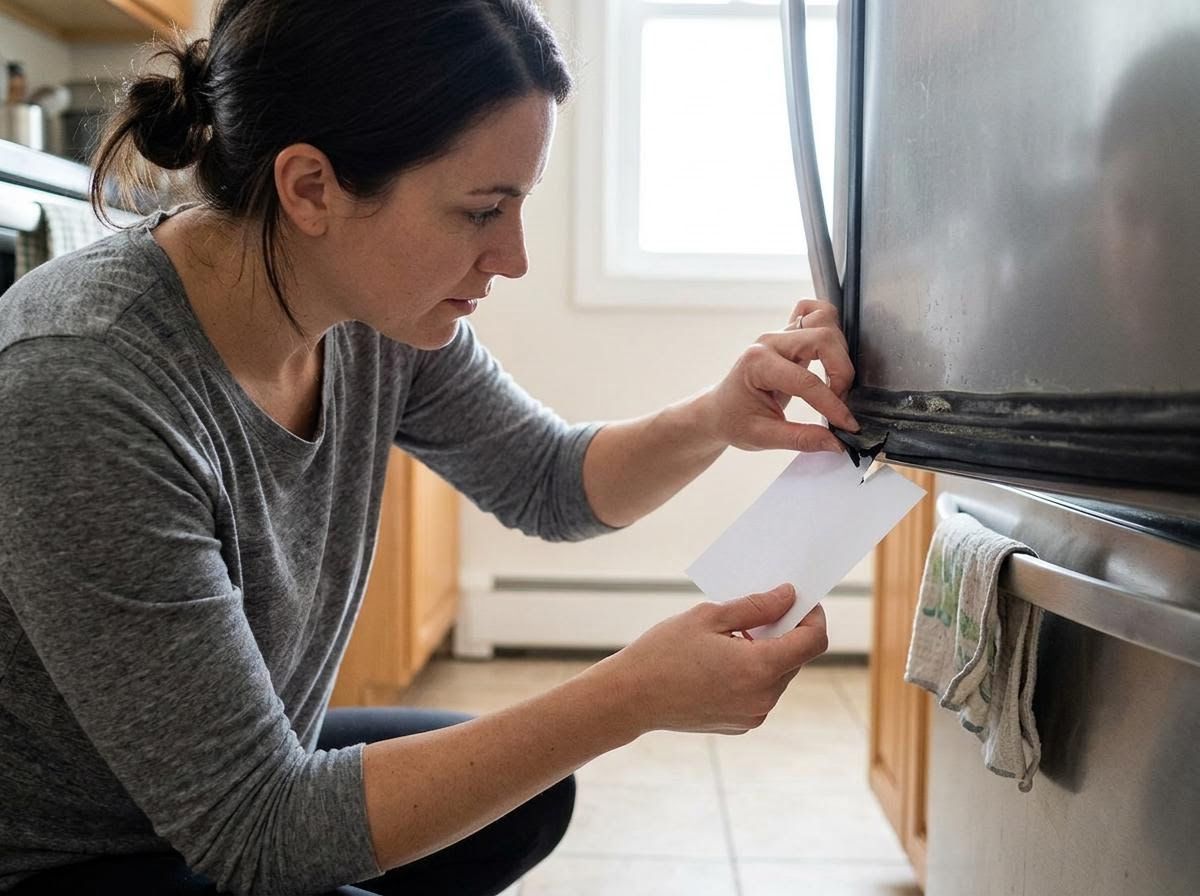
Compromised Door Seals or Gaskets
The integrity of your refrigerator's door seals (gaskets) is paramount for maintaining a consistent internal temperature. If these rubber seals are cracked, torn, or simply worn out, warm air from your kitchen can seep into the fridge, forcing it to work harder and run almost constantly to keep cool. This not only impairs cooling but also drives up your energy bills.
How to Fix: Inspect the gaskets for any visible signs of damage or gaps. You can perform a simple paper test: close the door on a dollar bill or a piece of paper. If you can easily pull the paper out, the seal in that area is compromised. Clean the seals thoroughly with warm, soapy water to remove any grime that might be preventing a tight seal. If cleaning doesn't help, or if the seals are visibly damaged, they will need to be replaced.
Incorrect Thermostat Settings or Overloading
Sometimes, the simplest solutions are the most overlooked. An incorrect thermostat setting can lead to poor cooling. If your refrigerator is set too high, it won't cool effectively. Similarly, an overpacked refrigerator can restrict airflow, preventing the cold air from circulating properly to all areas, especially the fresh food compartment.
How to Fix: Check your refrigerator's thermostat and ensure it's set to the recommended temperature, typically between 35-38°F (1.7-3.3°C) for the fresh food compartment and 0°F (-18°C) for the freezer. Also, ensure there’s enough space between items for air to circulate freely. Avoid blocking air vents inside the fridge.
Understanding these common refrigerator issues can save you time and money by enabling effective troubleshooting. While some problems have straightforward solutions, others may indicate a more complex internal fault requiring expert attention. For situations where a DIY fix isn't enough, remember that Elite Appliance Repair is always ready to provide reliable, professional assistance to restore your appliance's optimal performance. Explore our resources for more tips on appliance care and maintenance to ensure your home equipment runs smoothly.