
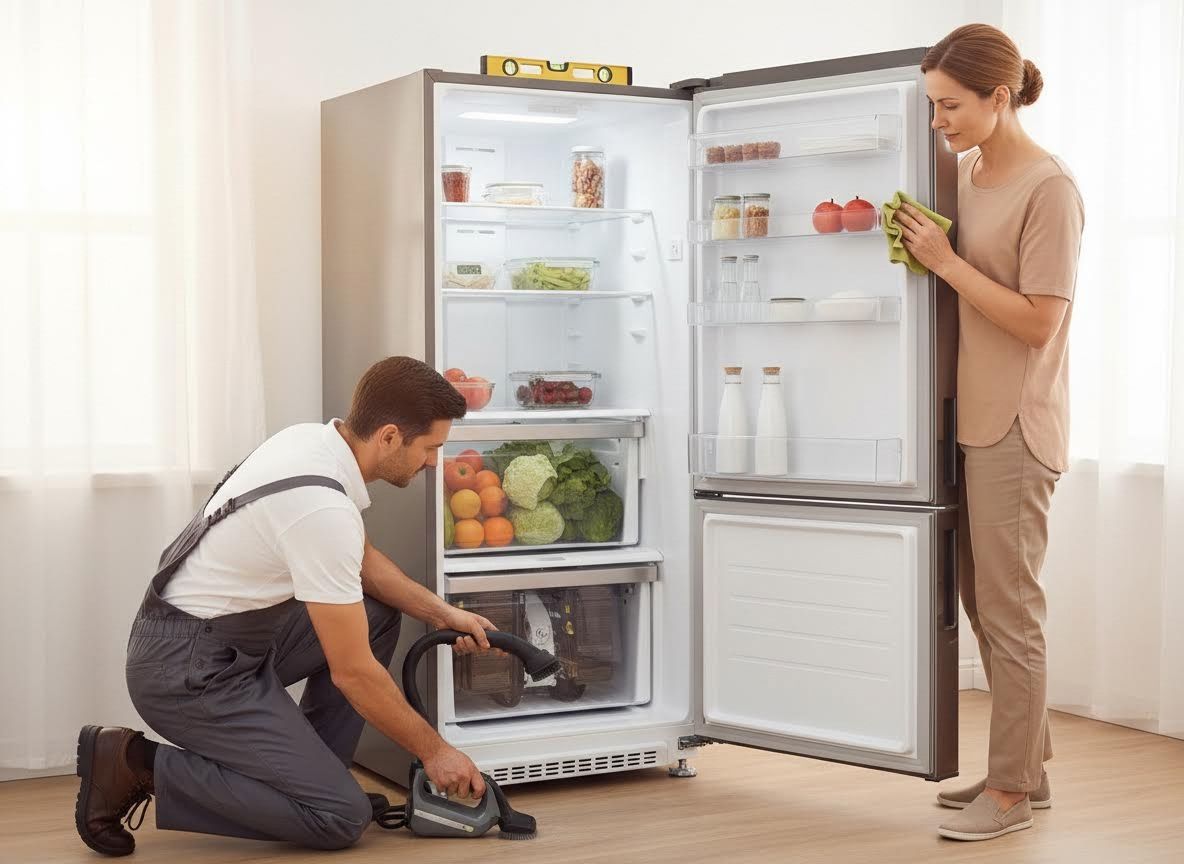
As summer temperatures rise, your refrigerator works harder to keep food fresh and safe. Ensuring its efficient operation during these warmer months not only preserves your groceries but also helps manage your energy bills. This guide from Elite Appliance Repair will help you understand simple steps you can take to keep your appliance running smoothly and efficiently, minimizing strain and maximizing performance when you need it most.
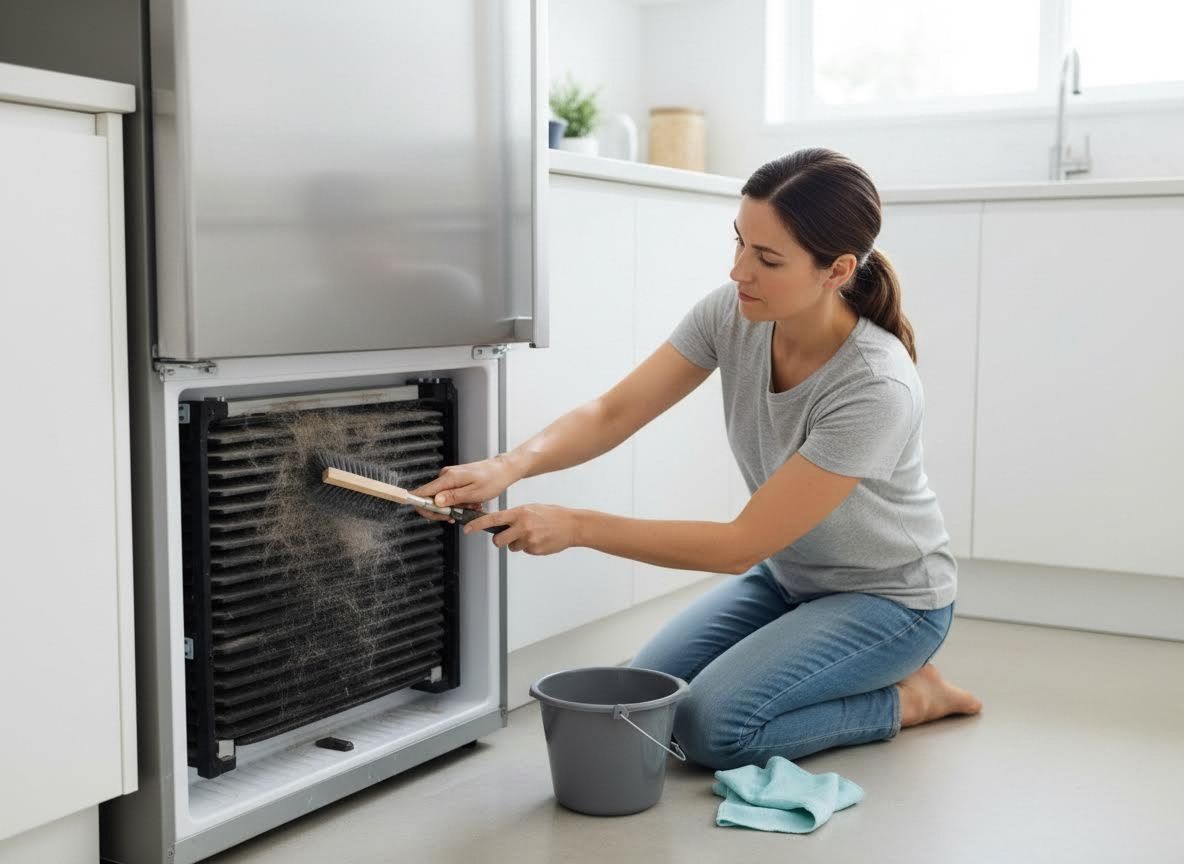
Keep It Clean: Coils and Seals
One of the most effective ways to boost your refrigerator's efficiency is by regularly cleaning its condenser coils. These coils, often located on the back or underneath the unit, dissipate heat. When they become covered in dust and debris, the refrigerator has to work much harder to release heat, consuming more energy. Aim to clean them at least once a year, or more frequently if you have pets. Additionally, inspect and clean the door gaskets or seals. Dirty or sticky seals can prevent the door from closing properly, allowing cold air to escape and warm air to enter, forcing the compressor to run constantly. A simple wipe-down with mild soap and water can often restore their sealing ability.
Optimize Temperature and Usage Habits
Maintaining the correct temperature settings is crucial for both food safety and energy efficiency. Most refrigerators should be set between 37-40°F (3-4°C) and freezers at 0°F (-18°C). Avoid setting them colder than necessary, as each degree lower significantly increases energy consumption. Furthermore, be mindful of how often and for how long you open the door. Each time the door opens, cold air escapes and warm air rushes in, requiring the refrigerator to expend energy to cool down again. Organize your food for quick retrieval and try to plan what you need before opening the door. Allowing hot leftovers to cool down before placing them inside also prevents unnecessary temperature spikes.

Ensure Proper Airflow and Leveling
For optimal performance, your refrigerator needs adequate airflow around its exterior. Ensure there's enough space between the back of the unit and the wall, as well as on the top and sides, to allow heat to dissipate effectively. Overpacking your refrigerator can also hinder internal airflow, making it harder for the cold air to circulate evenly and cool all contents. Additionally, check that your refrigerator is level. An unlevel refrigerator can prevent the doors from sealing tightly, leading to energy loss. Most units have adjustable leveling feet at the bottom that can be tweaked to ensure the appliance sits firmly and the doors close properly.
Summertime appliance maintenance, especially for your refrigerator, is key to preventing unnecessary wear and tear and costly energy bills. By following these straightforward tips, you can significantly improve its efficiency and longevity. Should you encounter any issues or require professional assistance beyond these basic steps, understanding the signs that indicate a need for expert appliance repair is important. If you’re ever in doubt about the health of your refrigerator or need services like refrigerator repair, washer-dryer repair, or general appliance services, consider consulting our team for reliable solutions and further guidance.